

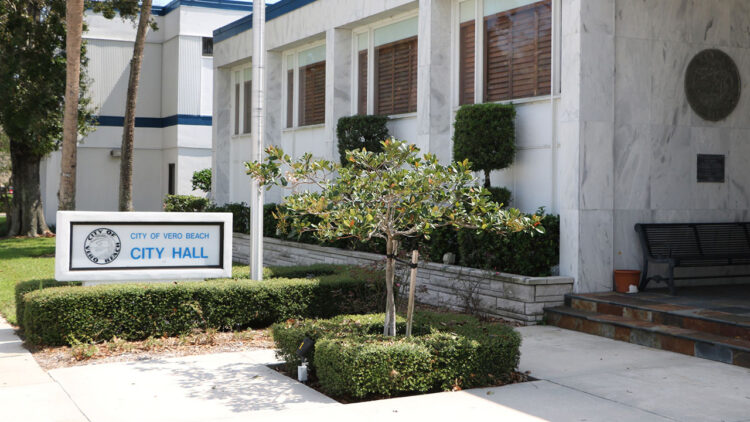
VERO BEACH — The Vero Beach City Council is expected to approve a series of water and sewer rate increases Tuesday that would push the typical residential customer’s combined bill from $83 a month to $122 by 2030.
That works out to roughly a 47% jump for households using 4,000 gallons a month. The hikes are designed to cover debt payments on a new $164 million “One Water” plant at Vero Beach Regional Airport, plus higher day-to-day operating costs.
The plan, recommended earlier this month by the Vero Beach Utilities Commission, phases the increases over five years. Most years would see bumps of about $10 to $12 a month, with a smaller final adjustment of roughly $5.77 in the 2029-30 period. City water and sewer director Rob Bolton said the debt service alone would add about $10 a month to the average bill.
“We’re discussing it with the developer at Three Corners,” Bolton said of plans to eventually decommission the old riverside sewer plant. “If they’re interested in the property, they would fund the decommissioning of that facility. So we don’t know at this point.” The city has set aside about $1 million as a backup.

The new plant is being financed with a planned $125 million bond issue at an anticipated interest rate of 4.55%, which would result in roughly $8.7 million in annual debt payments. The remaining cost is expected to be covered by state and federal grants. Officials have said the rate study is necessary to demonstrate to bond buyers that the utility will have sufficient revenue to repay the debt and keep operations running.
Customers who use the city’s reuse irrigation water would see a separate 25% rate increase in each of the next two years. Those hikes are not tied to the new plant. They stem from a new pipeline project that will leave fewer customers sharing the cost of the existing reuse system after John’s Island shifts to its own setup.
The changes would hit customers both inside and outside city limits. Nearly 40% of the utility’s revenue currently comes from the Town of Indian River Shores and unincorporated areas of Indian River County.
Current rates sit roughly in the middle of the pack for municipal utilities in the region. For comparison, Indian River County Utilities charges a typical 4,000-gallon customer $67.70 a month.
As part of the broader financial plan, the Utilities Commission backed limiting the amount of utility revenue transferred to the city’s general fund. The city currently skims 6% of all utility revenues to help keep property taxes lower. Bolton’s approach would exclude debt-service revenue from that calculation. Including it would effectively raise the utility’s borrowing cost from 4.55% to something closer to 10.55%, he has said.
Mayor John Cotugno had floated raising the overall transfer to 8%, but the commission went with the more limited version.
Council members are scheduled to take up the rate ordinance at their regular meeting Tuesday evening. If approved, the first round of increases would take effect later this year.
