

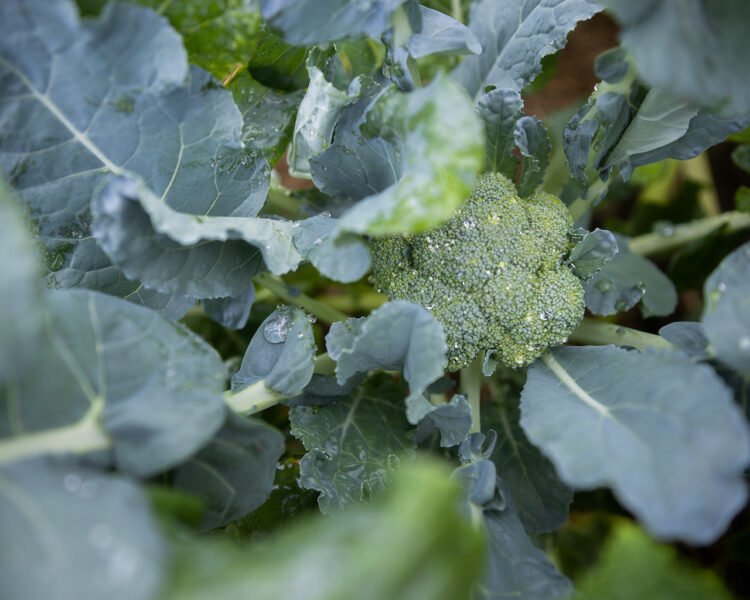
GAINESVILLE — Scientists at the University of Florida have identified a genetic tweak that could make broccoli, kale, cabbage and other everyday cruciferous vegetables even more nutritious than they already are.
The research, published July 9 in the journal Science Advances, focuses on glucosinolates, natural compounds in these plants that have been linked to anti-inflammatory, antioxidant and cancer-fighting properties.

Jeongim Kim, the study’s senior author and an associate professor in the UF/IFAS Department of Horticultural Sciences, said the findings fit with the “Food is Medicine” idea that certain foods can help prevent or manage disease.
“Some people are very interested in their health, and they may choose a specialized broccoli or a specialized cabbage to address a nutritional goal, so it’s very well aligned with the concept of Food is Medicine,” Kim said. “Instead of taking a pill, maybe you take a scoop of broccoli powder.”
The discovery was made in Arabidopsis, a model plant in the same family — Brassicaceae — as broccoli, Brussels sprouts, cauliflower, collard greens and kale. By changing just one letter in the plant’s DNA, the researchers increased glucosinolate levels about 20 times, Kim said.
The work is still early, but Kim said the logical next step is to use CRISPR gene-editing tools to test whether the same change produces similar results in actual broccoli and cabbage plants. She also wants to see if the technique could be used to boost nutrition in microgreens, which growers can produce quickly in greenhouses any time of year.
Plants make glucosinolates to protect themselves from insects and disease. People who eat them may get some protection against inflammation and illness in return. The compounds also give these vegetables their distinctive sharp, mustard-like taste, so flavor will be an important consideration as the research moves forward, Kim said.
“It’s our hope that we can give people more options to get even more nutrition from the foods they already eat as part of a healthy diet,” she said.
The study received partial funding from the National Science Foundation’s Faculty Early Career Development Program.
