

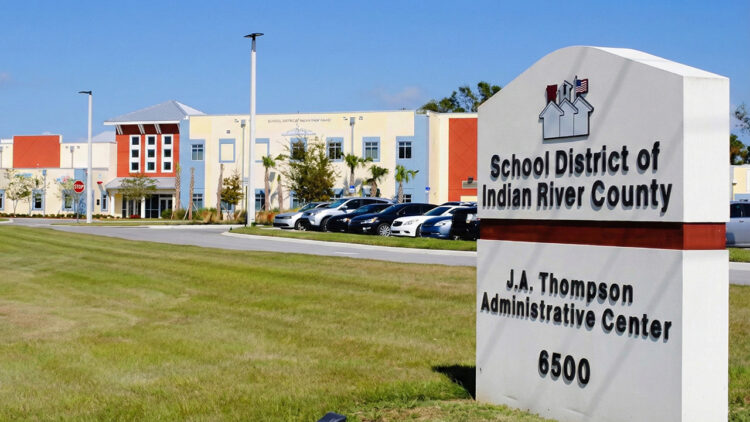
VERO BEACH — The School District of Indian River County has adopted a $434.3 million budget for the 2026-27 fiscal year, about $13.8 million more than this year’s plan, while cutting the overall school tax rate.
The $434,313,273 spending plan is 3.3% higher than the $420,465,513 budget for 2025-26. The School Board approved the figures at its final public hearing Sept. 8.
The adopted aggregate tax rate is 5.6740 mills, down from 5.7530 mills last year. A mill is $1 of tax for every $1,000 of taxable property value.
District officials spent months on revenue forecasts, spending requests, and the tax rate. A lower millage is not a tax cut by itself. If assessed values rise, the school portion of the bill can still increase.
The school tax is calculated by dividing a property’s taxable value by 1,000, then multiplying by the millage. If a home’s taxable value stayed the same, the lower rate would cut the school portion of the bill.
On $300,000 of taxable value, last year’s 5.7530-mill rate produced $1,725.90 in school taxes. This year’s 5.6740-mill rate would produce $1,702.20 — a savings of $23.70 — if the taxable value did not change.
Most values did change. Homesteaded property in Florida can rise only 3% a year, or by the consumer price index, whichever is less. That cap is why many owners will still see a small increase.
A homesteaded home taxed last year on $300,000 and now taxed on $309,000 would owe $1,753.27 in school taxes, about $27 more than last year, even with the lower millage. Non-homestead property, which can rise by as much as 10%, would generally see a larger increase.
The district is taking a smaller share of each $1,000 of taxable value. The overall budget still grew because the tax roll grew. More taxable property times a slightly lower rate still produces more school-tax revenue.
Florida law requires school districts to hold two public budget hearings and adopt the final plan after the second meeting. The district’s first hearing was in late July. The second, and final, hearing was Sept. 8.
The budget covers operations, capital projects, debt service, food service, federal programs, the district’s internal health insurance fund and other accounts. Most local school revenue comes from property taxes, also called ad valorem taxes, with the rest from the state and federal sources.
The 2026-27 fiscal year began July 1. The September vote locks in the millage that will appear on property tax bills later this year.
