

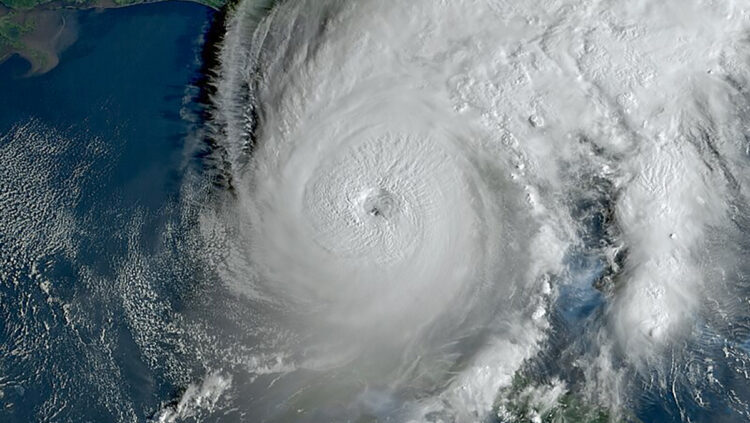
SEBASTIAN — As October begins, no hurricane has made landfall in the continental United States during September for the first time in 10 years.
The 2025 Atlantic hurricane season has produced nine named storms through early October, including four hurricanes. The National Oceanic and Atmospheric Administration had predicted an above-normal season, with 13 to 18 named storms, several of which were expected to be major hurricanes.
Three hurricanes formed in September: Gabrielle, Humberto, and Imelda. Gabrielle intensified to a major hurricane and passed east of Bermuda. Humberto reached Category 5 strength in the open Atlantic. Hurricane Imelda affected the Bahamas and Bermuda, producing rough surf and rip currents along the U.S. East Coast but no mainland landfall.
Tropical Storm Chantal brought winds to the U.S. in July. No hurricanes have made landfall this year. Meteorologists cite high-pressure systems that steered storms northward into the open ocean or toward Bermuda.
The last hurricane-free September for the U.S. was in 2015. From 2016 to 2024, every September saw at least one hurricane landfall on the continental U.S., except in 2023.
- 2016: Hermine struck Florida’s Big Bend on Sept. 2 as a Category 1.
- 2017: Irma hit the Florida Keys on Sept. 10 as a Category 4. Maria affected Puerto Rico, a U.S. territory, later in the month.
- 2018: Florence made landfall in North Carolina on Sept. 14, causing flooding.
- 2019: Dorian made landfall in North Carolina on Sept. 6 as a Category 1.
- 2020: Sally hit Alabama on Sept. 16 as a Category 2.
- 2021: Nicholas struck Texas on Sept. 14 as a Category 1.
- 2022: Ian hit Florida on Sept. 28 as a near-Category 5.
- 2023: No hurricane landfall.
- 2024: Helene made landfall in Florida on Sept. 26 as a Category 4.
September marks the peak of hurricane season, largely due to warm ocean temperatures and favorable conditions.
A high-pressure ridge over the eastern U.S. and wind shear disrupted potential storms this September, steering them into the Atlantic.
Distant storms caused rip current deaths and coastal erosion along the East Coast.
The season runs through Nov. 30. October has produced storms like Matthew in 2016.
