

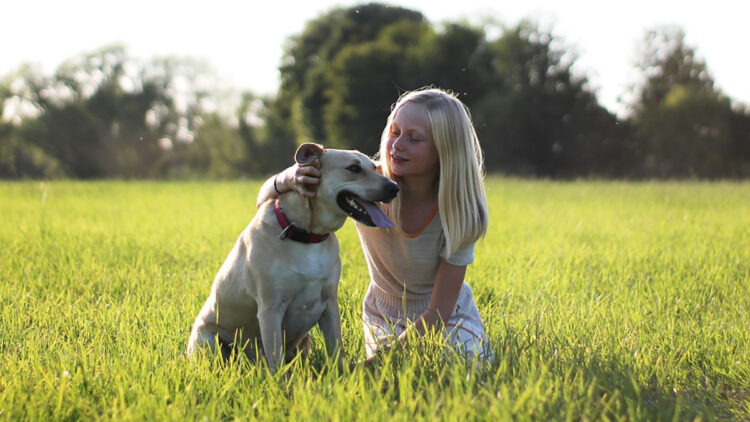
INDIAN RIVER COUNTY — For children, the death of a beloved pet often marks their first brush with mortality. But experts say this heartbreaking experience can also serve as a valuable teaching moment for parents to guide their kids through the concepts of death and healthy grieving.
Deirdra Flavin, CEO of the National Alliance for Children’s Grief, pointed out that people often avoid discussing death and grief, even though it’s the one certainty in life: everyone will die, and it’s essential to be open about these topics.
Psychologists and pet bereavement specialists emphasize that how caregivers handle pet loss can profoundly influence how children process future losses. By using clear language, validating emotions and modeling healthy mourning, parents can help build emotional resilience in their kids.
Children process death differently based on their age and development. Kids ages 3 to 5 may view death as temporary, like in cartoons where characters bounce back. Children start grasping its reality by ages 6 to 8, and by 9, they understand it’s permanent and universal.
Unlike the classic five stages of grief often associated with adults (denial, anger, bargaining, depression, and acceptance), children’s experiences with loss are not linear or predictable. Instead, they are shaped by their cognitive, emotional, and social development.
Grief in kids often manifests through behavior rather than words, and they may “puddle-jump” in and out of sadness—appearing deeply upset one moment and playful the next—as a way to cope without becoming overwhelmed. Experts emphasize providing honest explanations, maintaining routines, and offering age-appropriate support to help children build resilience.
Experts advise against euphemisms that can confuse young minds. Instead of saying the pet “went to sleep” or “was put down,” be direct: “The dog died, and his body stopped working.” This honesty prevents fears, like associating sleep with death.
Grief manifestations vary – from sadness and tears to anger, withdrawal or even guilt. Colleen Rolland, president of the Association for Pet Loss and Bereavement, notes that pet grief is as valid as any other and shouldn’t be minimized.
Parents should watch for behavioral changes, such as increased tantrums or loss of interest in activities. If these persist and disrupt daily life, professional help may be needed, says Raquel Halfond, a licensed clinical psychologist with the American Psychological Association.
Books can facilitate discussions, such as “The Tenth Good Thing About Barney” by Judith Viorst or “Badger’s Parting Gifts” by Susan Varley.
Openly addressing pet loss equips children with tools to handle life’s hardships. Experts say embracing these conversations prepares kids for the inevitability of loss.
