

SEBASTIAN — The Sebastian City Council has approved a property tax increase, raising the millage rate from 3.195 to 3.445 despite some calls from residents for lower taxes, as officials cited the need to avoid dipping into reserves for ongoing expenses.
The decision was made during Monday’s meeting, with the city’s total taxable property value now at $2.5 billion — a 7.4% increase from the previous fiscal year. The higher rate is expected to help balance the budget amid rising costs and potential emergencies.
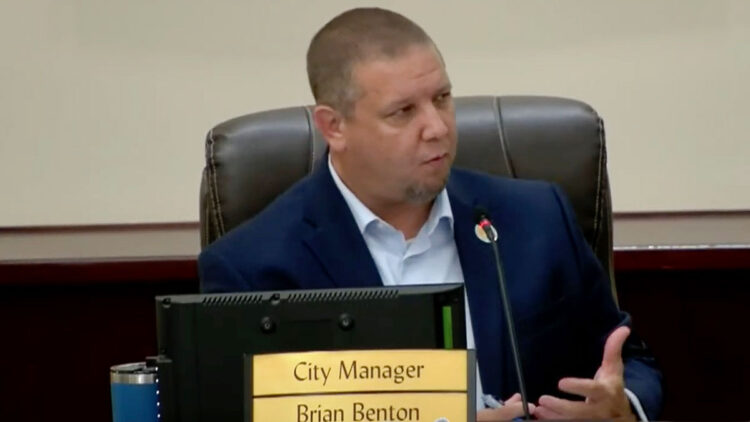
City Manager Brian Benton warned against using reserves to offset the increase, noting the city is already tapping those funds for retirement contributions totaling $300,000 to $400,000. Switching to a rollback rate, he said, would require over $1 million from reserves and create a deficit for future years.
“I just want to be careful on using reserves in regards to the government,” Benton said. “You have to treat it the same way as your personal checking account, your personal savings account. If you start to dip into that savings account and utilize those funds, then you could potentially run into an issue when you do need those funds.”
Council members echoed concerns about fiscal stability, citing uncertainties such as natural disasters and economic pressures. Councilman Ed Dodd highlighted the risk of unreimbursed storm cleanup costs, particularly given the uncertainty surrounding FEMA’s reliability.
“If we can’t depend on FEMA if we have two big storms coming through here … we might end up having to pay out $2 million or a million and a half dollars of our reserves,” Dodd said. “I support the 3.445, not because I don’t want to go to rollback, but because I feel like the city has no choice but to do this.”
Vice Mayor Fred Jones said the budget workshops showed the new rate would keep finances balanced, even if a rollback seemed appealing short-term.
“I wish we could go to rollback, but the fact is it’s going to cost us too much in the long run if we don’t stick with at least 3.445,” Jones said.
Councilman Chris Nunn compared the situation to personal budgeting, arguing that relying on reserves for recurring bills would deplete emergency funds.
“It sounds enticing to take that $1,000 out of your savings to pay those bills,” Nunn said. “But if you’re taking that money to pay your bills, you’re going to need that same money to pay your bills next month and the month after … So 3.445 is the only answer.”
The council members emphasized the city’s heavy reliance on personnel costs and limited one-time expenditures, leaving little room for cuts without long-term harm. The increase takes effect in the upcoming fiscal year.
The final public hearing on the fiscal year 2025-2026 millage and budget will be held on Sept. 24 at 6 p.m.
(A millage rate, also known as a mill rate, is the tax rate charged by the city for every $1,000 of a property’s assessed value. This rate helps fund essential public services, including police and fire departments, parks, libraries, schools, and infrastructure maintenance. The term “millage” comes from “mill,” which represents one-thousandth of a dollar—or $1 in taxes for every $1,000 of assessed value.)
