

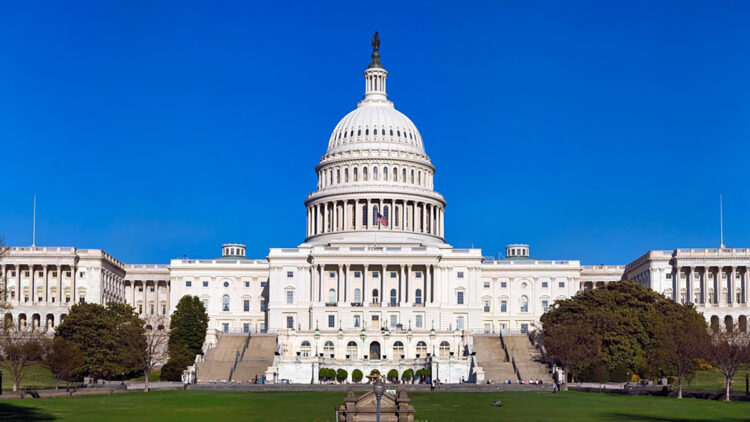
WASHINGTON — The U.S. government went into a partial shutdown early Wednesday as hundreds of thousands of federal workers were furloughed or laboring without pay. Congress is currently deadlocked over funding for the new fiscal year.
The impasse, which took effect at 12:01 a.m. EDT, stemmed from failed negotiations over a short-term spending bill that would have kept agencies running through mid-November. Democrats insisted on extending expiring health insurance subsidies for millions of Americans. Republicans rejected the extension, arguing it should be handled separately from basic government funding.
The shutdown’s immediate fallout is widespread but uneven. Essential services, such as air traffic control, border security, and law enforcement, continue, although workers in those roles — including TSA screeners and FBI agents — will not receive paychecks until the standoff ends. The Pentagon has activated contingency plans, keeping about 2 million troops on duty without compensation, prioritizing operations such as southern border patrols and the construction of Trump’s proposed missile defense system.
Nonessential functions, however, grind to a halt. National parks and Smithsonian museums shuttered their gates at midnight, economic data releases from the Labor and Commerce departments are suspended, and scientific research at agencies like the National Institutes of Health faces interruptions.
The Women, Infants, and Children (WIC) nutrition program could run dry within a week, potentially affecting nearly 7 million low-income families, according to policy experts.
About 900,000 federal employees are furloughed, while another 700,000 must report to work unpaid. Back pay is guaranteed by law once funding resumes, but the uncertainty weighs heavily on workers, many of whom endured similar hardships during the record 35-day shutdown in 2018-2019 under Trump’s first administration.
Economists warn the disruption could ripple through the broader economy, costing hundreds of millions daily in lost productivity and delayed services. If prolonged, it might exacerbate inflation pressures or dent consumer confidence ahead of the holiday season. Independent analysts suggest this could drag on longer than recent shutdowns where Democrats hope to leverage the health care fight to rally voters.
The roots of the crisis trace back months. A shutdown in March was narrowly averted when Schumer backed a GOP-led continuing resolution that ultimately drew fire from progressives in his party. By summer, Republicans had moved to reclaim $9 billion in foreign aid and public broadcasting funds.
September talks aimed at a November extension collapsed under pressure from some Republicans who opposed any spending increases.
As the clock ticked past midnight, bipartisan leaders huddled at the White House for last-ditch talks, but emerged without a deal.
Lawmakers are set to reconvene Wednesday.
