

KENNEDY SPACE CENTER — NASA’s Space Launch System (SLS) has officially begun its slow crawl to the launch pad for the historic Artemis 2 mission. This rollout marks an important step toward the first crewed lunar flight since the Apollo era.
The Space Launch System rocket, topped with the Orion spacecraft, left the Vehicle Assembly Building at 7:04 a.m. EST, embarking on a four-mile journey that could take up to 12 hours. Mission managers are targeting a launch no earlier than Feb. 6, with additional windows available through mid-February and into March and April, depending on final tests and the moon’s position.
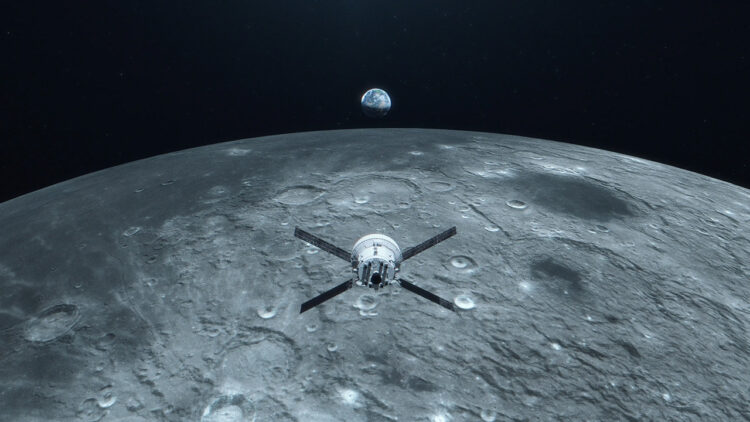
The rollout sets the stage for a critical “wet dress rehearsal” in the coming weeks, where teams will fuel the 322-foot rocket and run through countdown procedures to verify everything works as planned. If all goes well, that could clear the way for the Artemis 2 liftoff, a roughly 10-day test flight that will carry the crew farther from Earth than anyone has gone in over 50 years.
Veteran NASA astronaut Reid Wiseman will command the mission, joined by pilot Victor Glover, mission specialist Christina Koch and Jeremy Hansen from the Canadian Space Agency. The diverse crew — including the first woman, first Black astronaut and first Canadian on a lunar flight — will not land on the moon but will swing around it in a free-return trajectory before splashing down in the Pacific Ocean.
Artemis 2 builds on the uncrewed Artemis 1 mission in 2022, which tested the SLS and Orion systems during a 25-day trip to lunar orbit and back. Delays from technical issues pushed the crewed flight from its original 2024 target.
NASA Administrator Bill Nelson called the rollout a “pivotal moment” in America’s return to deep space exploration in paving the way for future landings under Artemis 3 and beyond.
Weather could still impact the timeline, with teams monitoring conditions at the Florida spaceport. A final launch date won’t be set until after the rehearsal and a thorough review by the mission team.
The Artemis program, named for Apollo’s twin sister in Greek mythology, aims to establish a sustainable human presence on the moon by the end of the decade, with an eye toward eventual Mars missions.
