

In December of 2025, the Sebastian Planning and Zoning Commission rejected this site plan, conditional use permit, and waiver request. Meeting minutes indicate that the Commission was unable to conclude that the proposed outdoor storage facility “was designed, located and proposed to be operated so that the public health, safety and welfare will be protected.”
Shortly thereafter, Ameron filed notice of appeal to the City Council alleging that the Commission had acted based upon an “opinion of increased traffic offered by a layperson,” and that such an opinion was insufficient to support the conclusion that traffic will increase. Ameron’s attorney advised that any decision must be based upon competent substantial evidence, namely a traffic statement prepared by another of Ameron’s agents which estimated an increase in daily trips of 78 and concluded no traffic study was necessary.
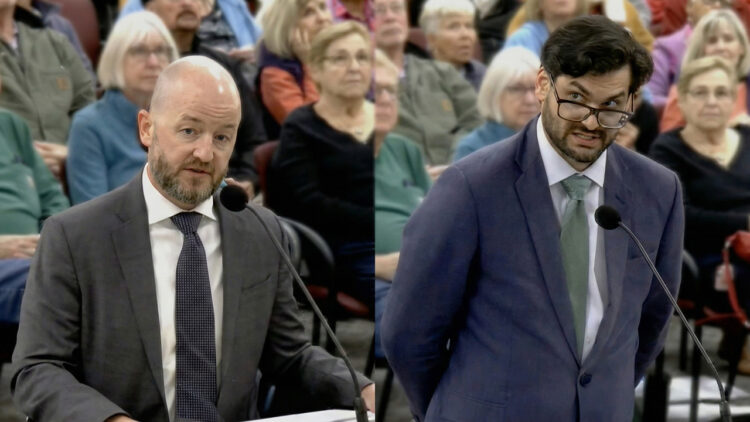
The Sebastian City Council held a public hearing to consider Ameron’s appeal on January 28, 2026. Once again, Ameron’s attorney repeatedly intimated that Planning and Zoning Commissioners were swayed by testimony given by a layperson and that their rejection of the proposal in its entirety was “at odds with the expert analysis performed by the project engineer.” After some perfunctory discussion, the City Council unanimously voted to overturn the earlier decision of the Commission and approve Ameron’s site plan, conditional use permit, and waiver request.
Of those City Council members who voiced an opinion, all appeared to agree with the attorney’s assessment of the basis for the Commission’s decision. Not one Council member defended the decision of the Commission; instead, they relied on the opinions of an advocate for the proposal.
Not one Council member considered this question: Is it not equally likely that the P & Z Commission did in fact rely on the applicant’s traffic statement, and concluded that as many as 78 more daily trips by heavy, long, and slow recreational vehicles and truck/trailer tandems through an already problematic three-way intersection were much too intense a use for the existing easement?
Florida statutes and case law recognize the probability of overburdening an easement. Land uses beyond the original intent of the easement or that increase the burden on servient land, in this case the Ashbury community, are often impermissible. An often-cited Florida Supreme Court decision reads, and I quote, “The burden of a right-of-way upon the servient estate must not be increased to any greater extent than reasonably necessary and contemplated at the time of initial acquisition.”
I sincerely doubt whether an RV and boat storage facility was contemplated when the easement was granted in 2005, and I am certain that such a facility was not a permitted use when Ashbury offered the easement.
I encourage Sebastian residents to appreciate the services provided by your Planning and Zoning Commission members, which they apparently do with little to no support from the City Council.
As for the Council, please don’t expect them to make land use decisions based upon safeguarding the public health, safety, and welfare of Sebastian residents. It appears we can look forward to more traffic, more sprawl, and more conflicting land uses in the future.
Richard Kszystyniak
Sebastian, FL
Editor’s note: You can also submit a letter to the editor by emailing it to info@SebastianDaily.com. Please include your full name, city of residence, and a brief subject line for prompt consideration.
