

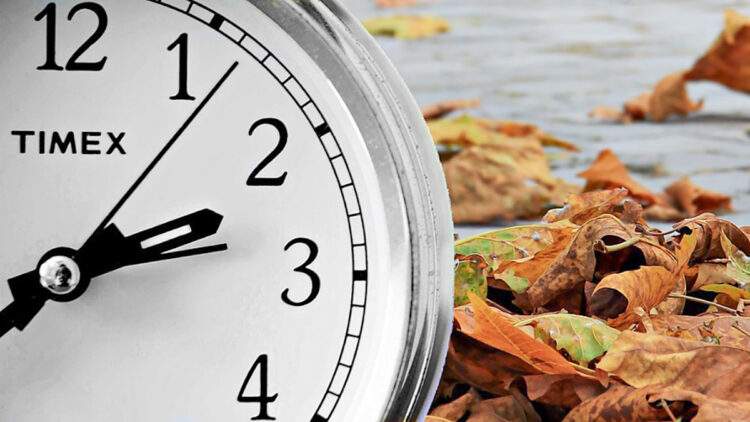
TALLAHASSEE — Americans will get an extra hour of sleep this fall when daylight saving time comes to an end, with clocks rolling back on the first Sunday in November.
The switch happens at 2 a.m. local time on Nov. 2, 2025, marking the return to standard time for most of the country. That means setting clocks back one hour, effectively repeating the 1 a.m. hour and providing a bit more morning light as winter approaches.
This year’s end date is among the earliest possible, falling just after Halloween. Daylight saving time, which began on March 9, 2025, extends evening daylight during the warmer months to conserve energy, a practice rooted in efforts during World War I and later standardized under the Uniform Time Act of 1966.
Not everyone participates. Arizona — except for the Navajo Nation — and Hawaii stick to standard time year-round, as do Guam, Puerto Rico and other U.S. territories. Parts of Indiana once opted out but now follow the national schedule.
The twice-yearly clock changes have drawn criticism for disrupting sleep patterns and daily routines. Health experts, including those from the American Academy of Sleep Medicine, argue that permanent standard time would better align with human circadian rhythms.
Bills in Congress, such as the Sunshine Protection Act, have proposed making daylight saving time permanent, but none have advanced recently. For now, the ritual continues.
As the change approaches, fire safety officials recommend using the occasion to check smoke alarms and replace batteries. Smartphones and many digital clocks adjust automatically, but analog ones will need a manual tweak.
The next clock shift? Daylight saving time resumes on March 8, 2026.
Florida Passes Sunshine Protection Act
Florida’s push to ditch the twice-a-year clock changes and stick with daylight saving time year-round has been gathering dust for more than seven years, blocked by the need for Congress to sign off on the switch.
Lawmakers in the Sunshine State passed Senate Bill 1013 back in 2018, a measure dubbed the state’s own Sunshine Protection Act. Then-Gov. Rick Scott, a Republican, signed it into law that year, signaling Florida’s desire to keep clocks on daylight saving time permanently. Supporters touted the extra evening light as a boon for tourism, outdoor activities, and the economy, potentially adding hours for beachgoers and shoppers.
Florida Passes Sunshine Protection Act
However, the plan encountered a setback at the federal level. Under the Uniform Time Act of 1966, states can choose to stay on standard time all year without Washington’s approval, but locking in daylight saving time requires an act of Congress. Without that green light, Florida — like the rest of the country except for a few holdouts — keeps toggling between the two.
The state isn’t alone in its frustration. Texas, Georgia, California and at least two dozen others have floated similar ideas, with some passing contingent laws that would kick in only if federal rules change. In Florida, polls have consistently shown strong backing from residents, with majorities saying they’re tired of the disruptions and eager for benefits like lower energy bills and smoother daily routines.
The U.S. tried year-round daylight saving time briefly in 1974 during the energy crisis. However, it was scrapped after complaints about kids heading to school in the dark. Nationwide surveys today show up to 75% of Americans want to stop the clock switching altogether.
On Capitol Hill, matching federal bills — H.R. 139 in the House and S. 29 in the Senate — were introduced early this year to make daylight saving time the norm. The House version, sponsored by Rep. Vern Buchanan, a Florida Republican, has drawn 34 GOP cosponsors but no Democrats and sits idle in the Energy and Commerce Committee. The Senate bill, led by Sen. Sheldon Whitehouse, a Rhode Island Democrat, boasts a dozen bipartisan backers but hasn’t budged from the Commerce, Science and Transportation Committee.
As of early October, neither measure has seen hearings, votes or any real movement, echoing the fate of earlier versions that fizzled out. Lawmakers like Buchanan and Florida Sen. Rick Scott have renewed calls for action, but with Congress juggling other priorities, the legislation appears stalled once again.
For now, the routine endures. Clocks across most of the U.S. will fall back an hour at 2 a.m. on Nov. 2, shifting to standard time and granting that extra snooze — at least until the debate heats up again next spring.
